What is the BRIGHT‑Mind study?
BRIGHT‑Mind (Brain Response to an Intervention using Guided, at-Home Technology for the Mind) is a randomized controlled trial that tested whether 12 weeks of at-home training with Lumosity improves cognition beyond the games themselves. It compared Lumosity with an active comparison program of educational videos.
What did the BRIGHT‑Mind study find?
Among the 677 participants in the primary analysis, those who trained with Lumosity improved more than the comparison group on the Overall Composite score of a 12-test cognitive battery (p = 0.00032). All 12 tests were separate from the Lumosity games. The difference was contextually meaningful, about the size of the gap in baseline test scores between participants roughly 6.7 years apart in age, and it was similar across ages 25 to 80. Participants noticed it too: 7 in 10 people in the Lumosity group (70%) said their concentration, memory and clear thinking had improved, compared with 46% of the comparison group. On MRI scans, brain-predicted age difference improved by about 1.5 years with Lumosity in participants aged 60 to 80.
Who took part in the study?
The study enrolled 801 generally healthy adults aged 25 to 80, living in 44 US states, and the primary analysis included 677 of them. The study randomly assigned participants to train with Lumosity or watch educational videos, in a 2:1 ratio. Everyone took part from home.
Why is it called a randomized controlled trial?
The study assigned each participant to Lumosity or the comparison program at random. That makes the two groups comparable at the start, so differences at the end come from what they did during the study. The comparison group was an active control: they also spent time each day on a mentally engaging activity. The trial was masked, and the researchers registered it at ClinicalTrials.gov before enrollment began (NCT05912556). Randomized controlled trials are the standard design for testing whether an intervention works.
What did the comparison group do?
They watched educational videos on the same schedule as the Lumosity group, for 12 weeks. This active control helps rule out engagement or expectations as the reason for the results. Comparing Lumosity with another engaging activity makes the test stricter.
What does “6.7 years” mean?
It gives some context for how big the result was. On the overall test score, the Lumosity group improved more than the comparison group, and that extra improvement was about the size of the gap in baseline test scores between people roughly 6.7 years apart in age. It does not mean your brain becomes what it was 6.7 years ago. The 6.7-year figure comes from comparing the test scores of participants of different ages at a single point in time; it’s a yardstick for the size of the difference.
How did the study measure cognition?
Before and after the 12 weeks, every participant completed the Creyos battery: 12 standardized cognitive tests. The tests were separate from the Lumosity games. The primary endpoint was the change in the Overall Composite score, which combines all 12 tests; secondary endpoints included scores for individual cognitive domains.
How much training did participants do?
Training took about 15 to 25 minutes a day, at least five days a week, for 12 weeks, at home. Of participants assigned to Lumosity, 83.6% completed at least 13 hours of training over the 12 weeks. No adverse events related to either program were reported.
Did people notice a difference in daily life?
Participants rated their own change on the Patient Global Impression of Improvement, a measure widely used in clinical research. It asked how their concentration, memory and ability to think clearly had changed. 7 in 10 people in the Lumosity group (70%) reported improvement, compared with 46% of the comparison group (p < 0.0001). This participant-reported outcome was exploratory.
What did the MRI brain scans show?
Among participants aged 60 to 80, brain-predicted age difference improved by about 1.5 years with Lumosity versus the comparison program of educational videos. The effect of brain training on this measure depended on age. This was a prespecified secondary endpoint of the trial.
What is brain-predicted age difference?
Brain-predicted age difference is a measure, taken from MRI brain scans, of how a person’s brain age compares with their actual age. Researchers estimate brain age from the brain’s structure on the scan.
Who had MRI scans?
A subgroup of BRIGHT‑Mind participants had MRI brain scans before and after the 12-week study. 266 participants enrolled in the imaging cohort, and 220 were evaluable for the brain-predicted age difference analysis.
What did the ventricle and cortical-thickness analyses show?
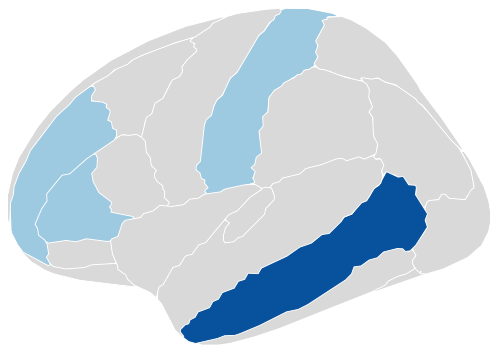
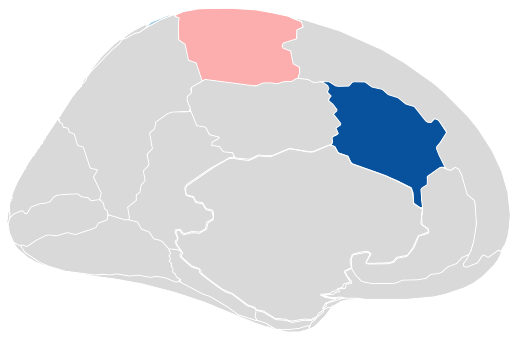
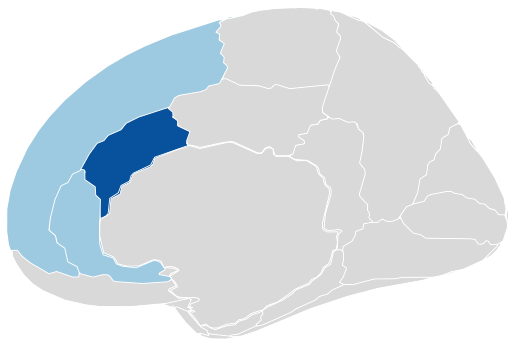
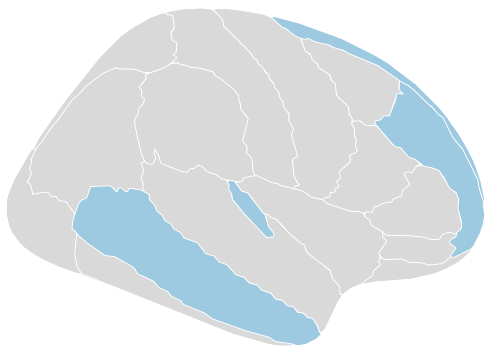
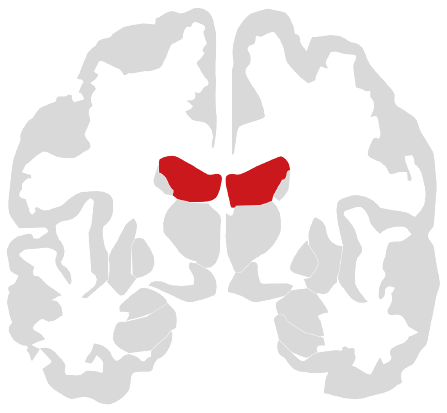
Follow-up analyses looked at specific brain regions in older adults. The largest differences were in the brain’s ventricles, the fluid-filled spaces that expand as brain tissue is lost with age: the ventricles enlarged less with Lumosity than with the comparison program. Cortical thickness was also greater with Lumosity in the anterior cingulate cortex, middle temporal gyrus and prefrontal cortex, regions that support attention and cognitive control and are sensitive to aging. These regional analyses were exploratory and should motivate future research.
What does “exploratory” mean?
An exploratory result comes from an analysis beyond a study’s main planned tests. The data are real, but the study wasn’t designed mainly to test them, so future studies need to confirm them. In BRIGHT‑Mind, the participant-reported improvements and the detailed MRI analyses of ventricles and cortical thickness were exploratory. The primary result and the MRI brain-predicted age difference result were planned in advance.
Who is Lumosity designed for?
Lumosity is designed for healthy adults who want to train their cognitive skills. BRIGHT‑Mind studied generally healthy adults aged 25 to 80 and measured cognitive performance. Lumosity has not been evaluated by the FDA and is not intended to diagnose, treat, cure or prevent any disease or condition.
How long do the effects last?
That’s the next question to answer. The trial ran for 12 weeks; longer studies will show how the effects hold up with continued training and after people stop. A separate study of 107,005 Lumosity users looked at how improvement relates to the amount of training. More training was associated with greater improvement on cognitive tests, with the biggest gains early on before they leveled off. That study was observational: people chose how much to train.
Read the dose-response study (Osman et al., 2023, PLOS ONE).Has the study been published?
The researchers will present the results as Poster P195 (Poster Session 2, Non-Pharmacologic Interventions) at the 19th Clinical Trials on Alzheimer’s Disease (CTAD) Conference in Boston on Wednesday, November 18, 2026. You can
read the poster (PDF) now. We’ll link the full paper here when it’s published. The trial record is on
ClinicalTrials.gov.
Who funded the study?
Lumos Labs, the maker of Lumosity, funded the study. Authors include current and former Lumos Labs employees and researchers from Duke University, UC Davis and Smith College.
How can I try Lumosity?
Create a free account on the web, or download the Lumosity app for
iPhone or
Android.


 Concentration
 Memory
 Clear thinking



 1